What Is Construction Staking and Why Does It Matter?
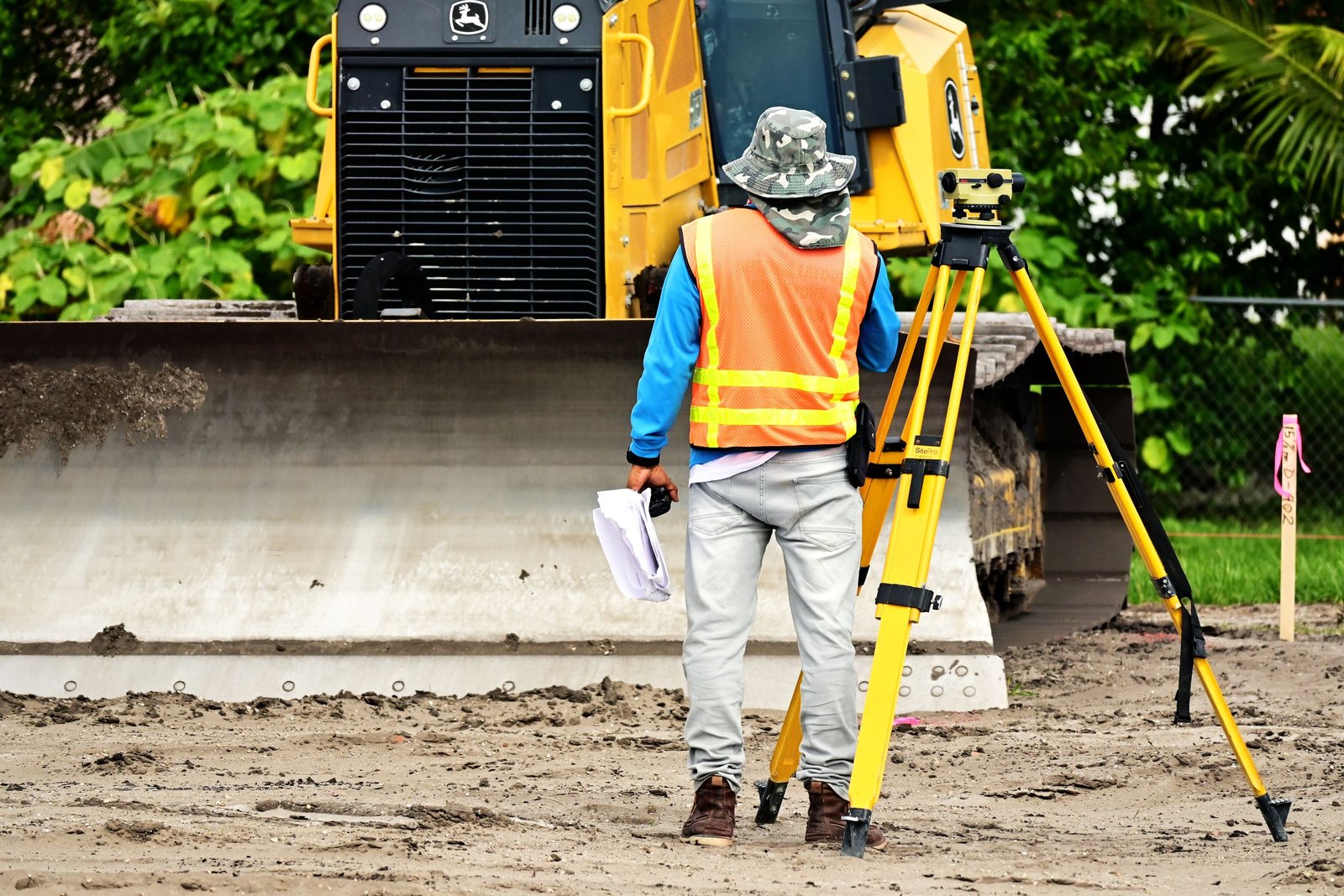
Construction staking is one of those services that most property owners never think about — until a project goes wrong without it. If you’ve ever seen a crew member with a total station and wooden stakes walking a building site before concrete is poured, you’ve seen construction staking in action.
Here’s what it is, why it matters, and when you need it for projects in Arizona.
What Is Construction Staking?
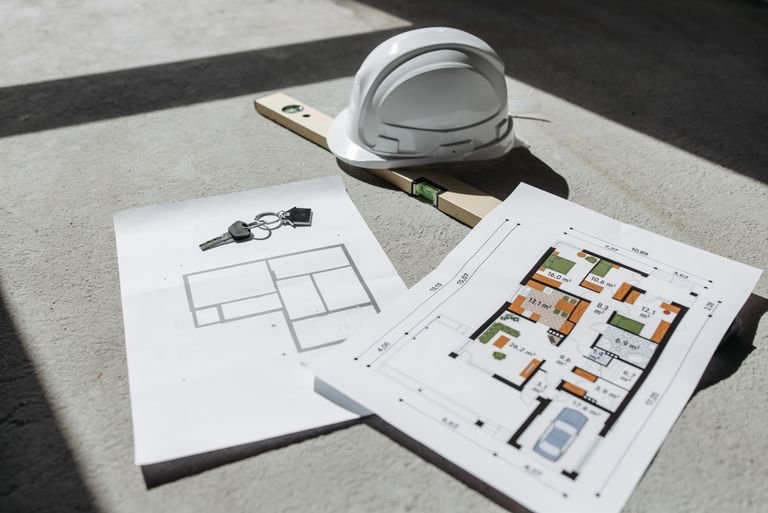
Construction staking — also called construction layout or site staking — is the process of transferring approved engineering and architectural plans onto the physical ground. A licensed surveyor reads the approved construction drawings and places stakes, pins, or marks on the ground that tell builders exactly where to dig, pour, build, or grade.
Think of it as the translation layer between a set of plans and the physical world. Without it, contractors are left estimating locations visually — and even small errors compound into expensive problems.
What Does Construction Staking Include?
The scope of construction staking varies by project type. Common staking services include:
- Building footprint staking — corners and offsets for structure foundations
- Utility staking — centerline and grade for water, sewer, and electrical runs
- Road and driveway staking — centerline, edge of pavement, and curb locations
- Grading staking — cut and fill stakes with elevations for earthwork crews
- Retaining wall staking — face-of-wall locations and height references
- Lot corner staking — confirming or setting parcel corners before construction begins
Why Does Construction Staking Matter?
Setback Compliance
Every county and municipality in Arizona has setback requirements — minimum distances from property lines, easements, and rights-of-way where structures cannot be built. If a building is staked incorrectly and setbacks are violated, the county can require demolition or modification of completed work. This is not hypothetical — it happens, and it’s expensive.
Permit Approval and Inspections
Many Arizona counties and municipalities require a surveyor’s certification that improvements are located per the approved plans as a condition of final occupancy. Construction staking done upfront — and an as-built survey at the end — supports that certification and keeps inspections moving.
Cost Control
Mislocated foundations, utilities placed in the wrong location, and grading errors cost far more to correct than the staking that would have prevented them. Construction staking typically represents a fraction of 1% of a project’s total budget — and the return on that investment when a problem is caught early is enormous.
Lender and Title Requirements
Construction lenders frequently require survey staking and periodic certifications before releasing funds at construction milestones. Title insurance underwriters may require evidence that improvements are within the staked boundaries before insuring a completed project.
When Should You Order Construction Staking?
Order construction staking after your plans are approved and before any ground is broken. The surveyor needs the approved plan set with coordinate data or bearings and distances to stake from. If plans are still in design, a topographic survey of the site is typically needed first to give the engineer accurate existing conditions to design against.
For phased projects, staking is typically ordered in phases — foundation staking first, then utility staking, then grading staking — coordinated with the construction schedule.
Construction Staking in Arizona — What to Expect
AZGPS provides construction staking for residential and light commercial projects across Maricopa, Pinal, and Pima counties. We work directly with contractors, builders, and project managers to coordinate staking with the construction schedule. Turnaround for standard foundation staking is typically 2–5 business days from plan receipt and authorization.
Costs range from $800 – $4,000+ depending on project size, scope, and number of staking phases. Contact us with your plans and timeline for a specific quote.